This site teaches home canning for beginners and quick pressure cooker meals in a friendly, careful, step-by-step way, like a neighbor showing you in their own kitchen. It focuses on safe methods, plain explanations and cautious habits, so you can preserve food and cook dinner faster with confidence.
Who is this site for?
This site is written first for people who have never canned anything and are a little nervous about starting. If you have a pantry shelf in mind and a pile of questions about jars, lids and canners, you are the reader it was built for.
You do not need any experience, and you do not need special equipment to begin reading. You need curiosity and a willingness to follow directions exactly. Canning rewards people who are careful, and it is perfectly fine to be the kind of beginner who reads a recipe three times before turning on the stove.
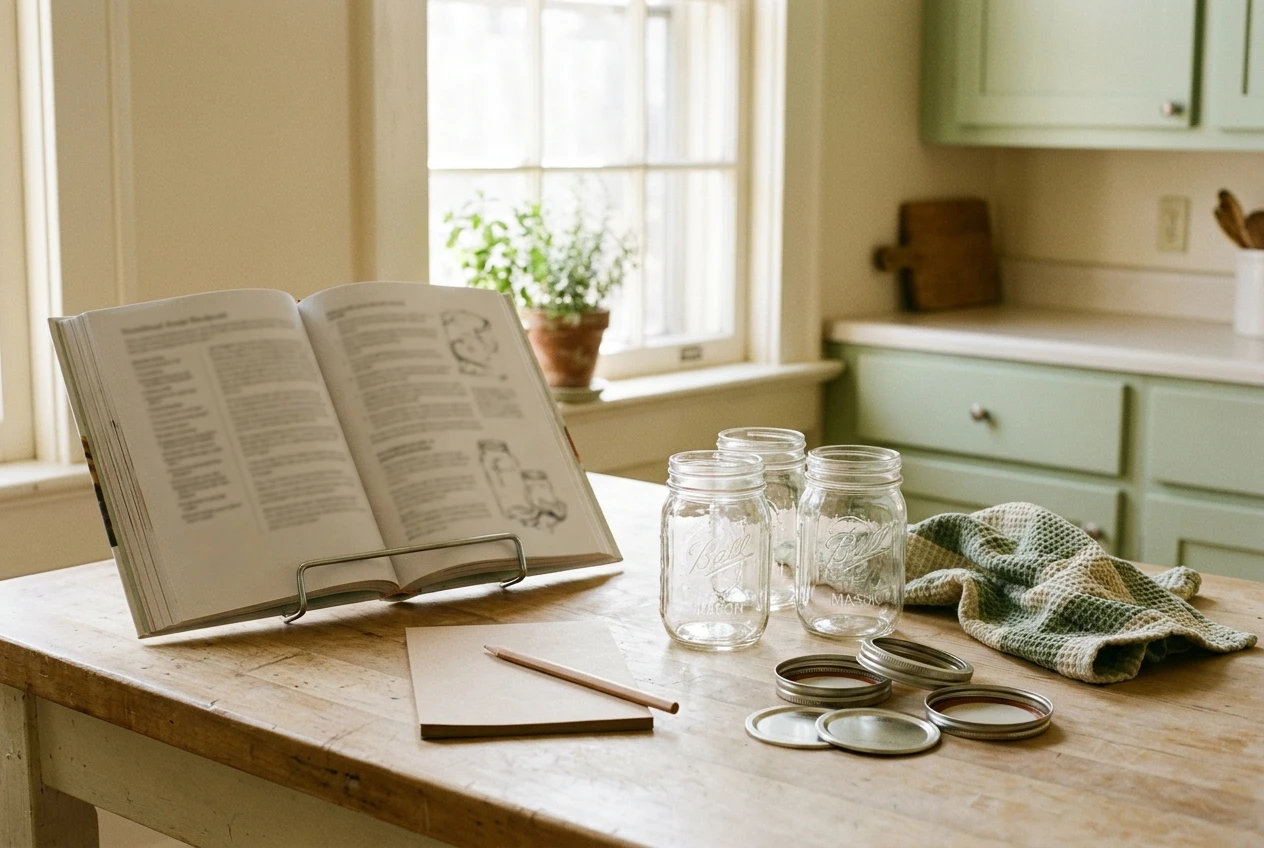
Cooks who already own a pressure cooker and want faster weeknight meals are welcome too. Many of the same habits carry over: read the manual, measure properly, and respect the pressure.
What will you find here?
You will find two kinds of guides: home canning for beginners, and quick meals made in a pressure cooker. They sit side by side because they share a skill, which is learning to work confidently with heat, pressure and timing.
On the canning side, the guides explain what each piece of equipment does, how to get a kitchen ready, and how to work through a recipe from clean jars to cooling on the counter. Each guide is written so the sections make sense on their own. If you only need to know how to check a jar seal, you can jump to that part without reading the rest.
On the pressure cooker side, the guides cover meals that come together quickly, with clear instructions for the order of steps and what to check before you lock the lid. The goal is a dinner you can make on a busy evening without guessing.
Here is what the guides are built to give you:
- Plain explanations of why each step exists, not only what to do
- Equipment lists that tell you what a task needs and what it does not
- Safety notes placed at the point in the recipe where they matter
- Troubleshooting sections for the questions beginners most often have
How does this site treat food safety?
Safety comes first, and every canning guide here is written around the idea that tested methods are not up for improvisation. Home canning is a precise process. The recipe, the jar preparation, the processing method and the processing time all work together to keep food safe on the shelf.
That means a few ground rules appear again and again:
- Use a recipe from a tested, reliable source, and follow it as written.
- Do not change the ingredients, proportions or jar sizes in a canning recipe unless the recipe says you can.
- Match the canning method to the food. Foods differ in acidity, and the method has to suit the food.
- Follow your equipment manufacturer’s instructions for your exact canner or cooker.
- If a jar does not seal, or something looks, smells or behaves wrong, do not take a chance with it.
When a guide here touches on a point where the safe answer depends on your particular equipment, your recipe source or your local conditions, it will say so and send you to the instructions that came with your gear or to a recognized food safety authority. A neighbor who teaches you to can does not guess on your behalf. They tell you where to check.
What is the difference between a pressure cooker and a pressure canner?
A pressure cooker is built for cooking food quickly, while a pressure canner is built for processing sealed jars for storage, and they are not automatically interchangeable. This is one of the most common points of confusion for beginners, and it matters for safety.
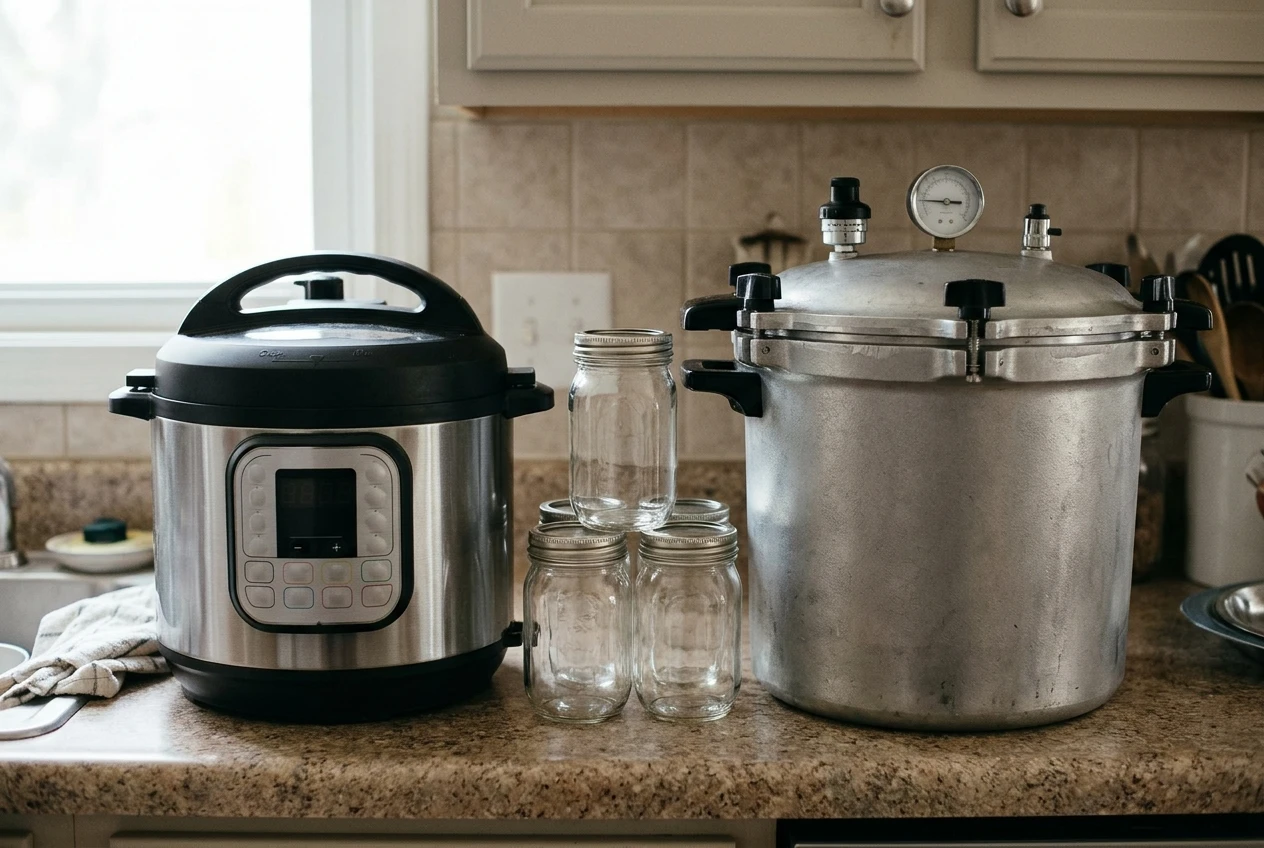
Some appliances are sold as multi-cookers or pressure cookers, and whether any given model is suitable for canning depends on how it is made and what the manufacturer says. Never assume. Read your manual, and if it does not clearly state that the appliance is intended for canning, treat it as a cooking appliance only.
This is why the site keeps the two topics distinct even though they share a shelf. A guide about weeknight meals will talk about cooking times and release methods. A guide about canning will talk about jars, headspace, venting and processing. You will always know which kind of task you are reading about.
Why does the voice sound like a neighbor?
The voice is deliberate: the site is meant to sound like a friendly neighbor who is careful, patient and happy to answer the same question twice. Learning to can for the first time can feel like a lot, with unfamiliar tools, a hot kitchen and rules that seem strict. A calm, clear voice helps.
In practice, that voice shows up in a few ways:
- Instructions are written in order, with one action per step.
- Technical terms are explained the first time they appear.
- Cautions are stated directly, without drama and without burying them.
- Encouragement is real: your first batch does not need to be pretty, it needs to be safe.
Friendly does not mean loose. The warm tone sits on top of careful instructions, and when the two ever pull in different directions, the careful instructions win.
What equipment will you hear about most?
Most guides on this site mention the same handful of items, and knowing them in advance makes recipes easier to read. Which ones you need depends on what you plan to make.
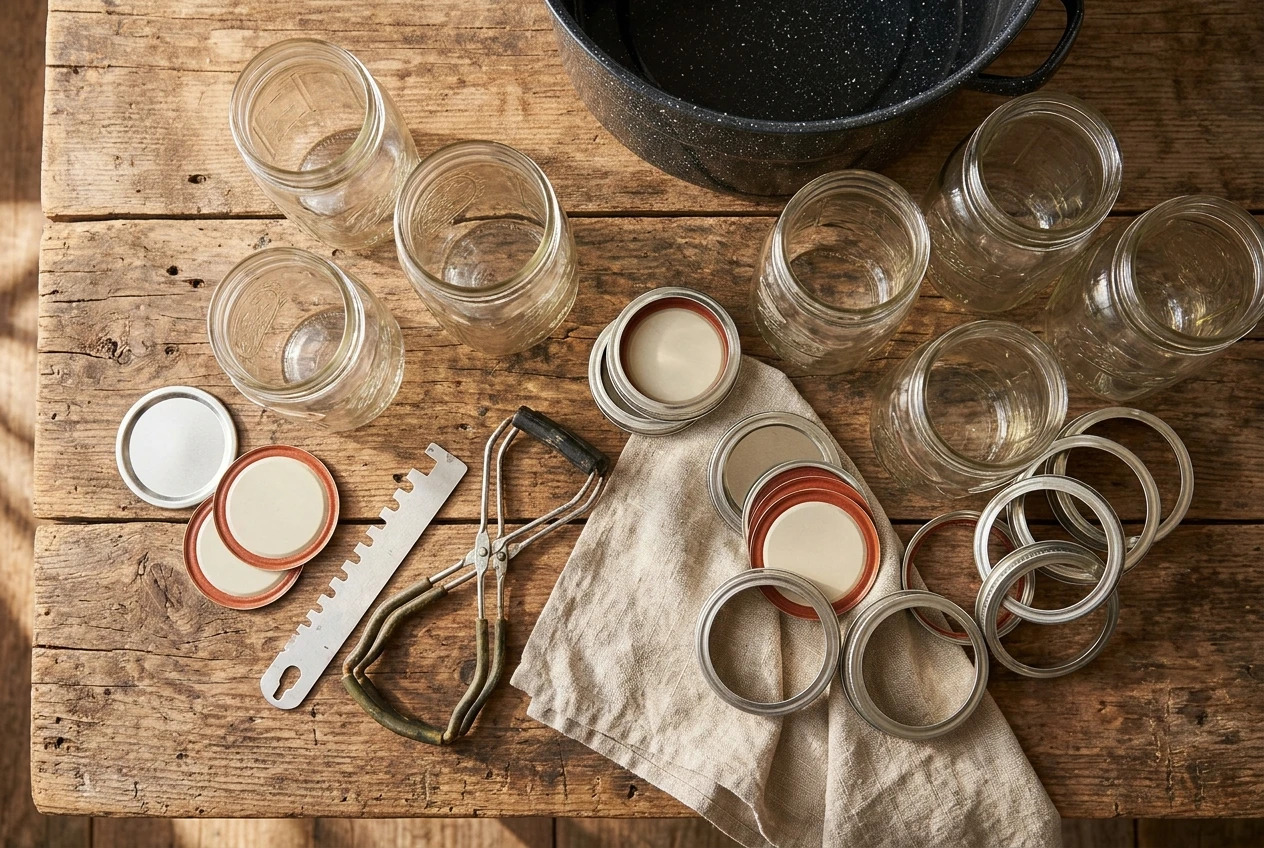
- Jars: Made for home canning, in sizes that match your recipe.
- Lids and bands: Lids are generally intended for single use, and your jar and lid manufacturer’s directions apply.
- A canner: Either a water bath canner or a pressure canner, depending on the food and the recipe.
- A jar lifter: A tool for moving hot jars safely.
- A headspace tool or ruler: Helps you leave the space at the top of the jar that your recipe specifies.
- A pressure cooker: For the quick-meal guides, and only for canning if the manufacturer says it is designed for that.
You will not be told to buy everything at once. A beginner can start with one recipe and gather what that recipe calls for.
How does the site make money?
The site earns affiliate commissions on some pressure cookers, canners and canning supplies. If you click a link to a product and buy it, the site may earn a commission on that purchase.
Because of that, one promise matters: the recommendations come second to the safety instructions. A product mention will never be a reason to bend a canning rule, and a guide will never suggest that a particular gadget lets you skip a step. If an item is not right for a task, the guide will say so.
You are also free to buy your equipment anywhere you like. The guides are written so that you can understand what to look for in a canner, a jar or a cooker whether you use a link on this site or not.
Where should a beginner start?
Start with the basics of your first canning method, and read the whole guide before you buy or open anything. That gives you the full picture of the process: the equipment, the preparation, the processing and the cooling.
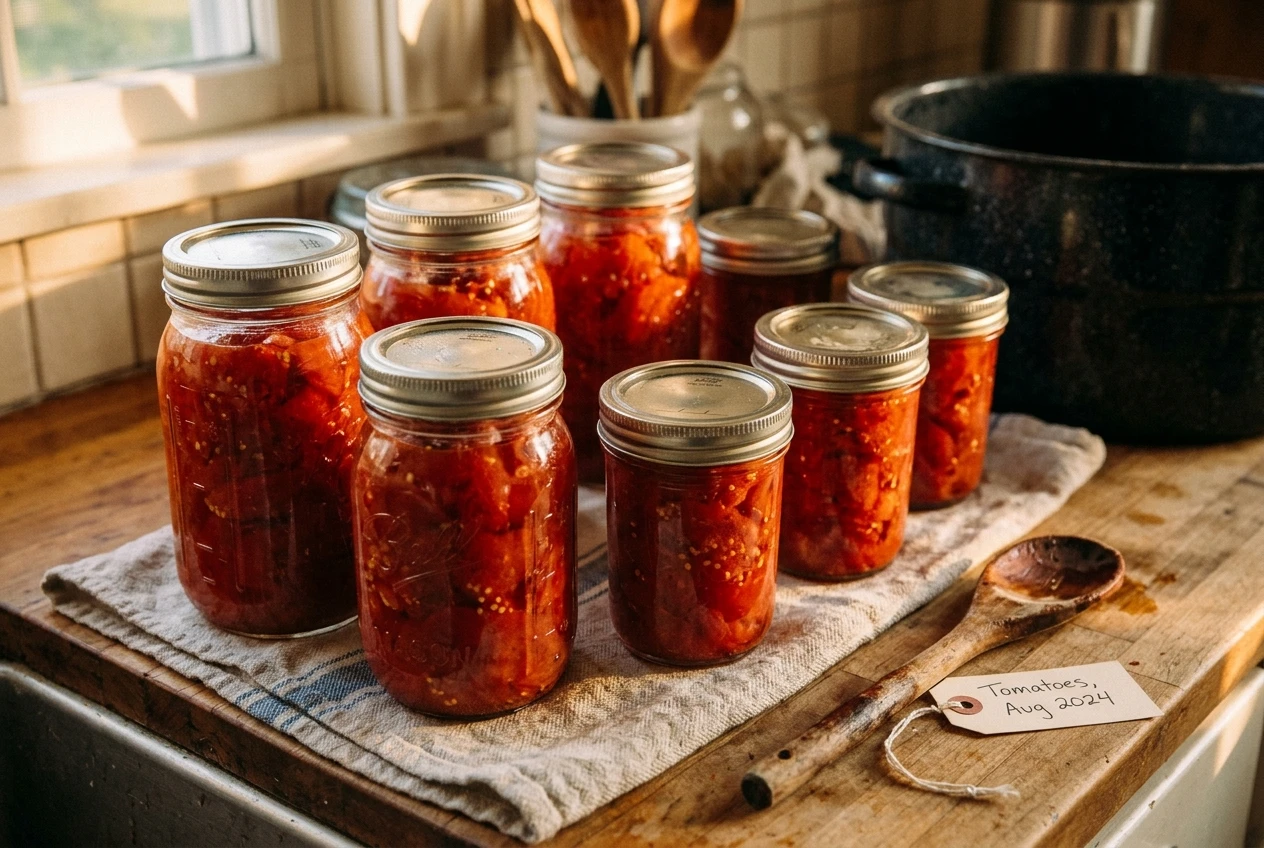
Then choose one simple, tested recipe and make a small batch. A small first project keeps the work manageable and lets you pay attention to each stage. Once you have seen a jar seal and cool on your own counter, the rest of the process stops feeling mysterious.
If you are more interested in dinner than the pantry, begin with a pressure cooker guide. Learning how your cooker builds pressure, holds it and releases it is a good grounding for everything else.
Whichever way you begin, take the guides at your own pace and keep your manufacturer’s instructions close at hand. Browse the guides, pick the one that matches what you want to make this week, and let the first jar or the first quick dinner be a small, careful success.